Exploring the Evolution of Czech Music Genres
Czech music has undergone significant transformations over the decades, reflecting the cultural, social, and political changes in the country. This article delves into the evolution of various Czech music genres, highlighting their origins and relevance, particularly in the context of live performances for adults aged 40-60.
The Roots of Czech Music
The foundation of Czech music can be traced back to traditional folk songs and dances, which were often performed at community gatherings. According to experts, folk music plays a crucial role in preserving cultural identity and heritage. Many users report that these traditional styles evoke a sense of nostalgia, making them popular choices in live concert settings.
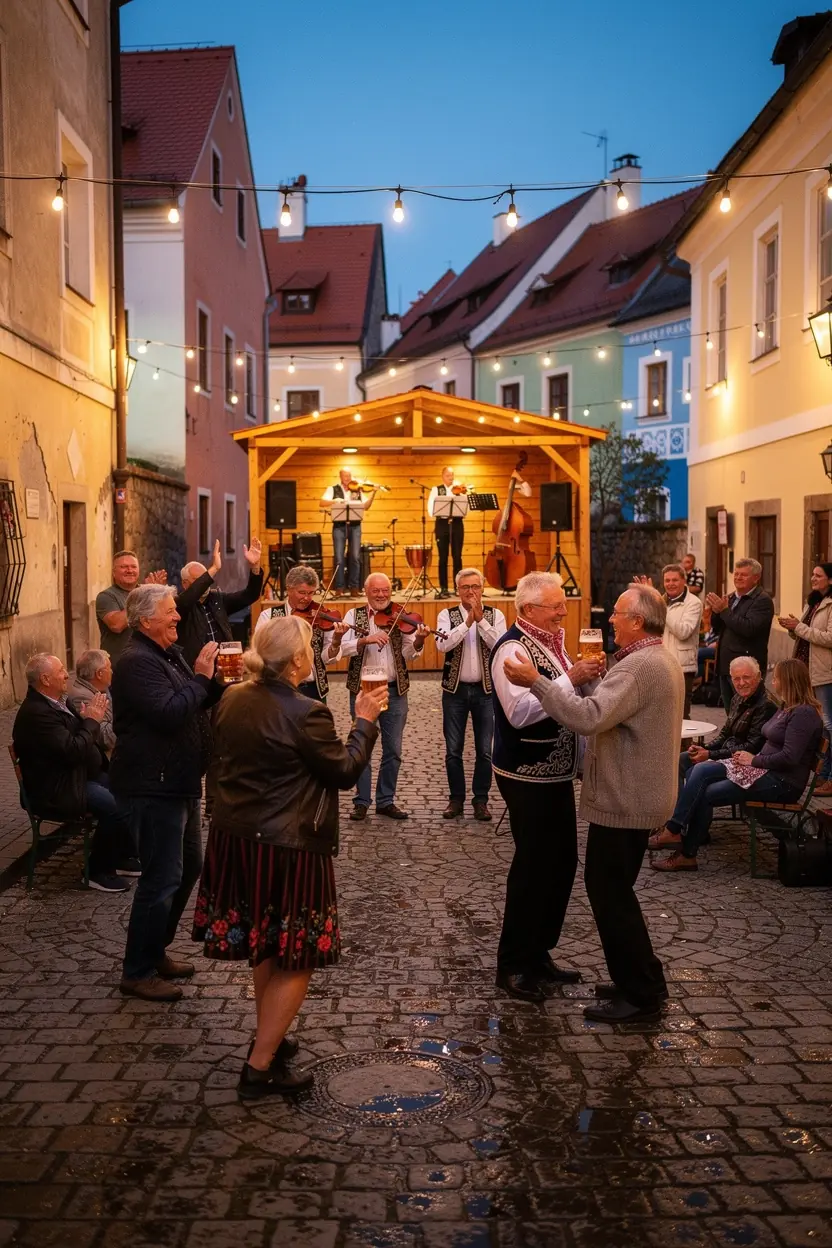
"Czech folk music is a vibrant tapestry, woven from the threads of history and community."
The Rise of Classical Influences
As the nation evolved, so did its musical landscape. The 19th and early 20th centuries saw the emergence of classical composers like Antonín Dvořák and Bedřich Smetana. Their works are often featured in nostalgia-themed concerts, appealing to older audiences who admire these classical offerings. Concert reviews in the Czech Republic frequently highlight the emotional depth and cultural significance of these composers' music.
Popular Music and Its Impact
In the latter half of the 20th century, popular music genres began to flourish in the Czech Republic. Rock, pop, and later, electronic music became prominent, especially during the Velvet Revolution in 1989. Research indicates that this period greatly influenced contemporary Czech artists, fostering a rich live music scene that offers a variety of performances for adults. Many live music events for seniors now include tributes to these genres, reinforcing the connection to cultural history.
Nostalgia in Live Music Performances
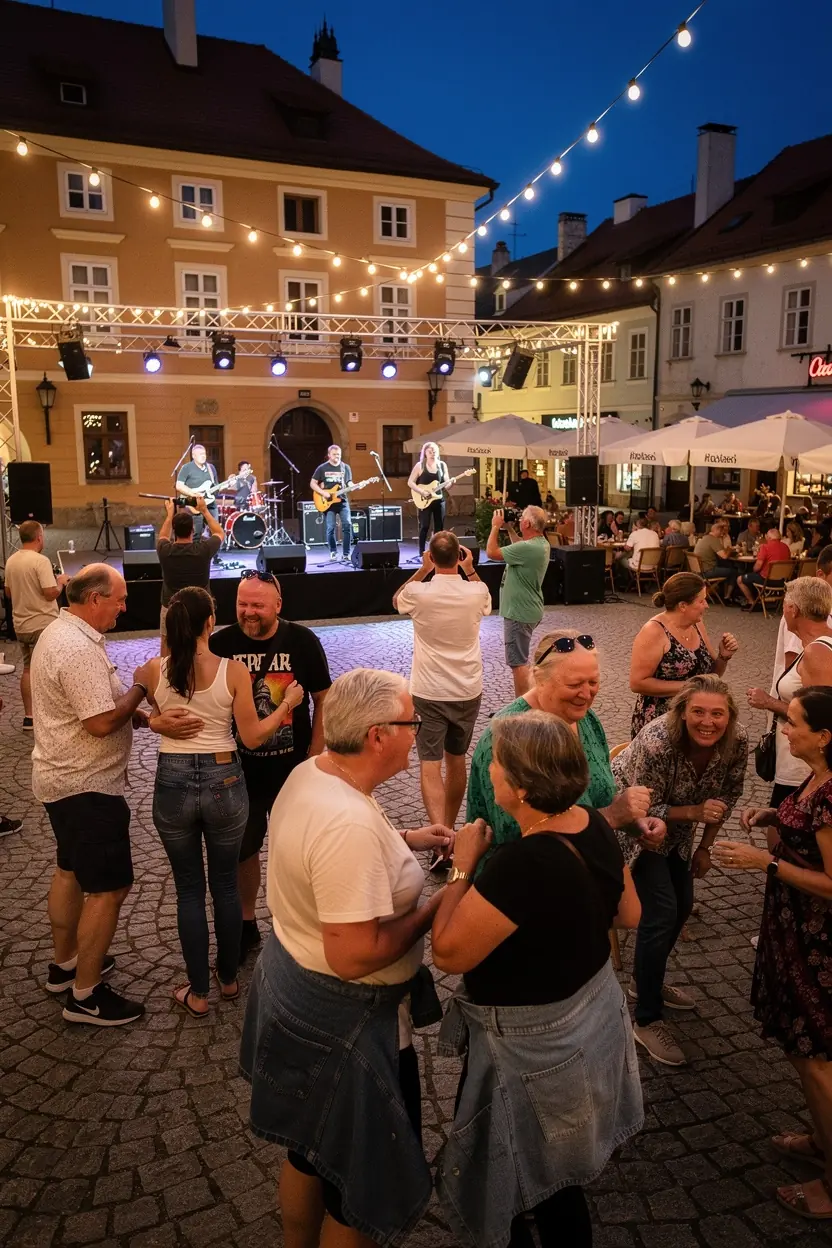
The concept of nostalgia in music has become increasingly significant in the Czech Republic's live music calendar. Concerts featuring retro music performances attract audiences looking to relive their youth. A curated concert lineup often includes bands that perform covers of classic hits, making these events appealing to adults aged 40-60.
Accessibility in Music Events
As the music scene continues to evolve, concert venue accessibility has become a priority. Many organizers now provide detailed concert accessibility information, ensuring that live performances are welcoming to all. This attention to accessibility is vital for enhancing the live music experience for older adults and seniors.
Conclusion
The evolution of Czech music genres reflects the rich culture and history of the nation. From traditional folk roots to modern popular music, each genre offers unique experiences that resonate with audiences, particularly those in the 40-60 age range. As the Czech live music scene grows, it remains essential to prioritize accessibility and nostalgia in concert offerings, fostering a vibrant environment for all music lovers.